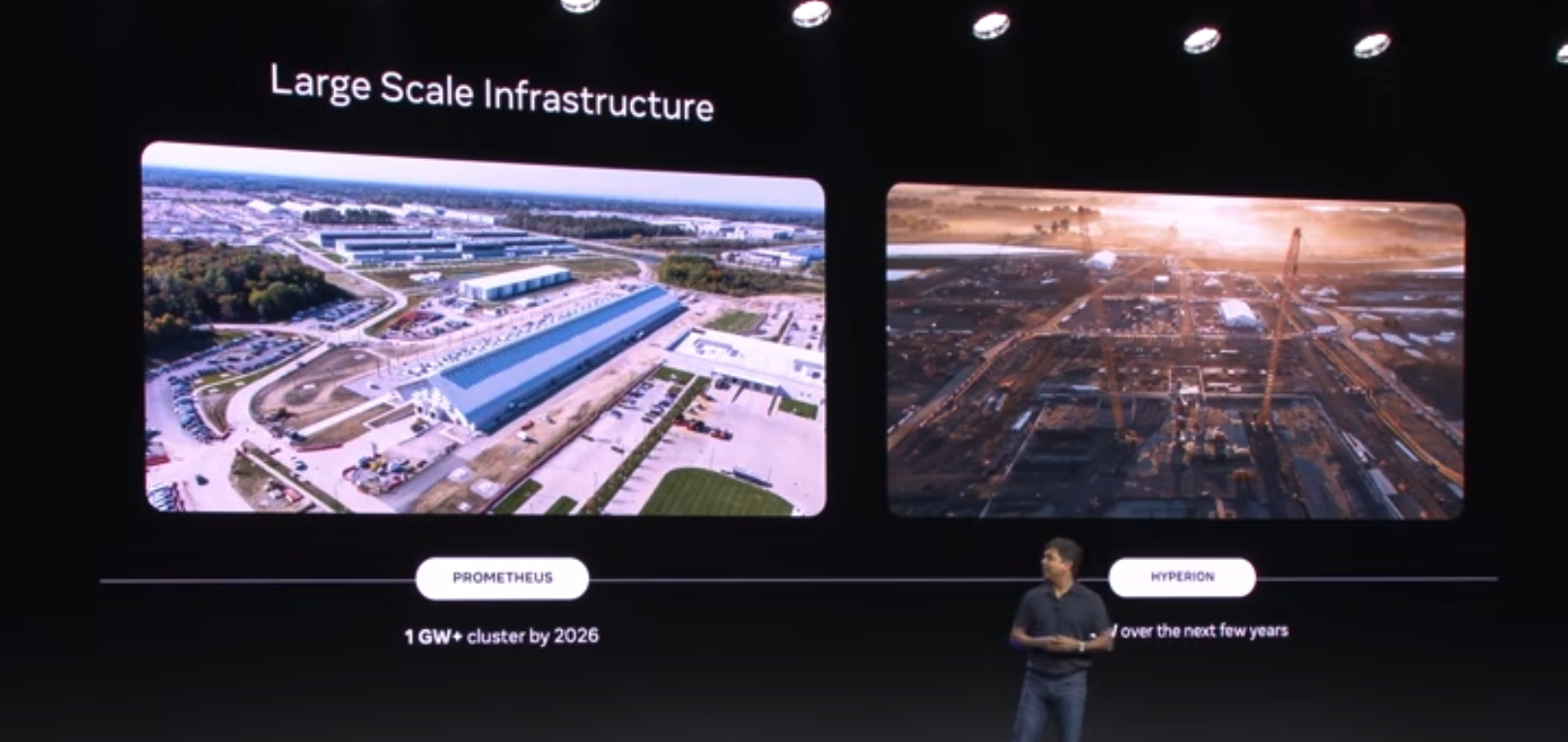

Hormuz Blockade and the Coming Semiconductor Price Storm
When Donald Trump announced a full naval blockade of Iranian ports on April 12, 2026, the immediate reaction was felt in oil markets. But the shockwave travelling through the global
When Donald Trump announced a full naval blockade of Iranian ports on April 12, 2026, the immediate reaction was felt in oil markets. But the shockwave travelling through the global
China+1 fails to address geopolitical risk in the electronics supply chain. Discover why the semiconductor tariff 2026 and rare earth export controls demand a new strategic response. Abstract: China+1 is

The Iran war is disrupting electronic component supply chains on multiple fronts — from Strait of Hormuz shipping closures and semiconductor material shortages to rare earth leverage and new sanctions risks. Steve Carr examines what the conflict means for sourcing, manufacturing, and the future of the global electronics industry.

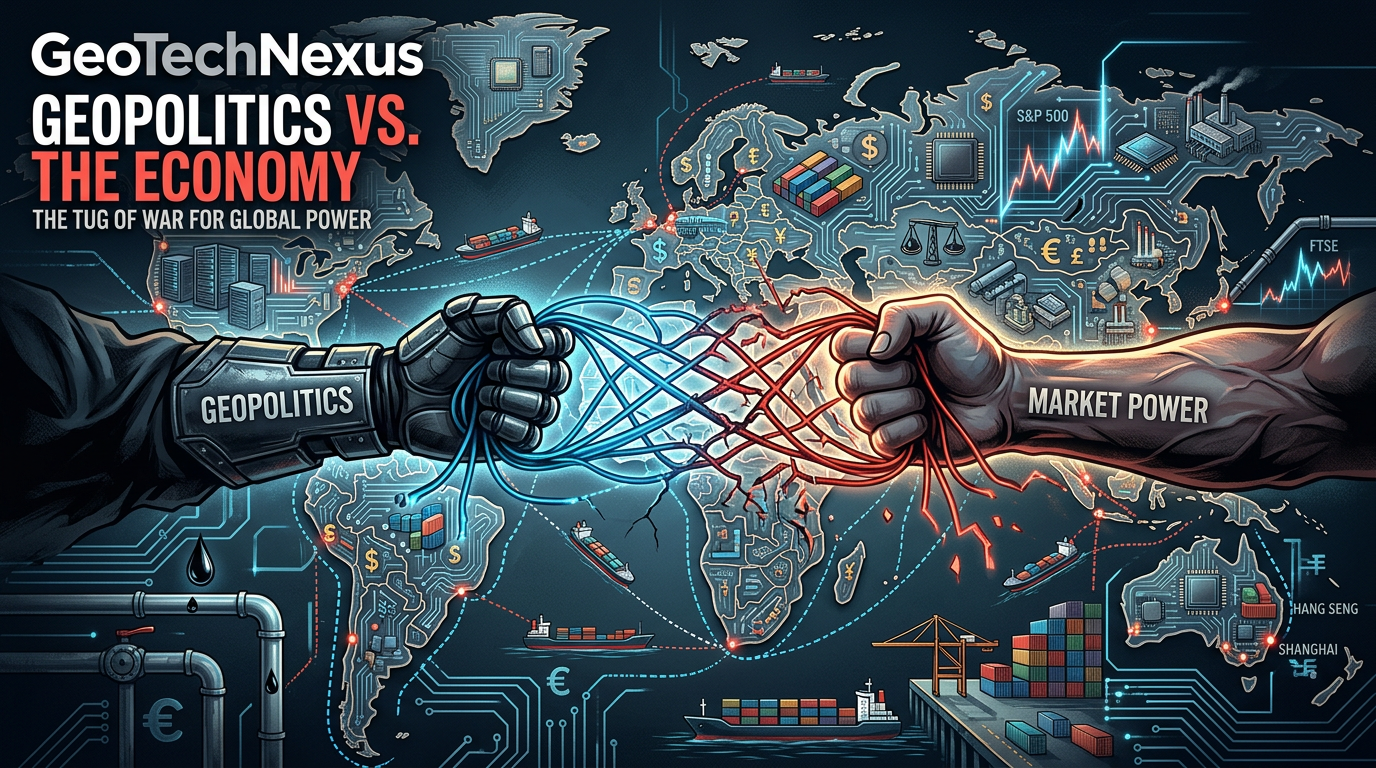
The deeper contest between China and America is not simply for more technology revenue; it is for revenue that politics cannot easily take away. In the old globalization model, investors rewarded growth wherever it appeared, and boards optimized for efficiency. In the new model, they must ask: which revenues are strategically resilient, and which are politically exposed?

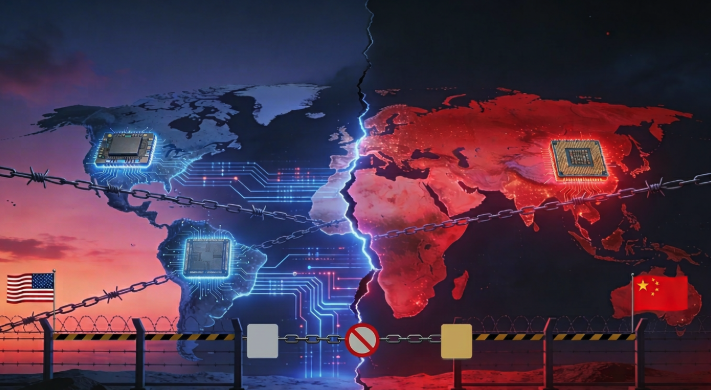
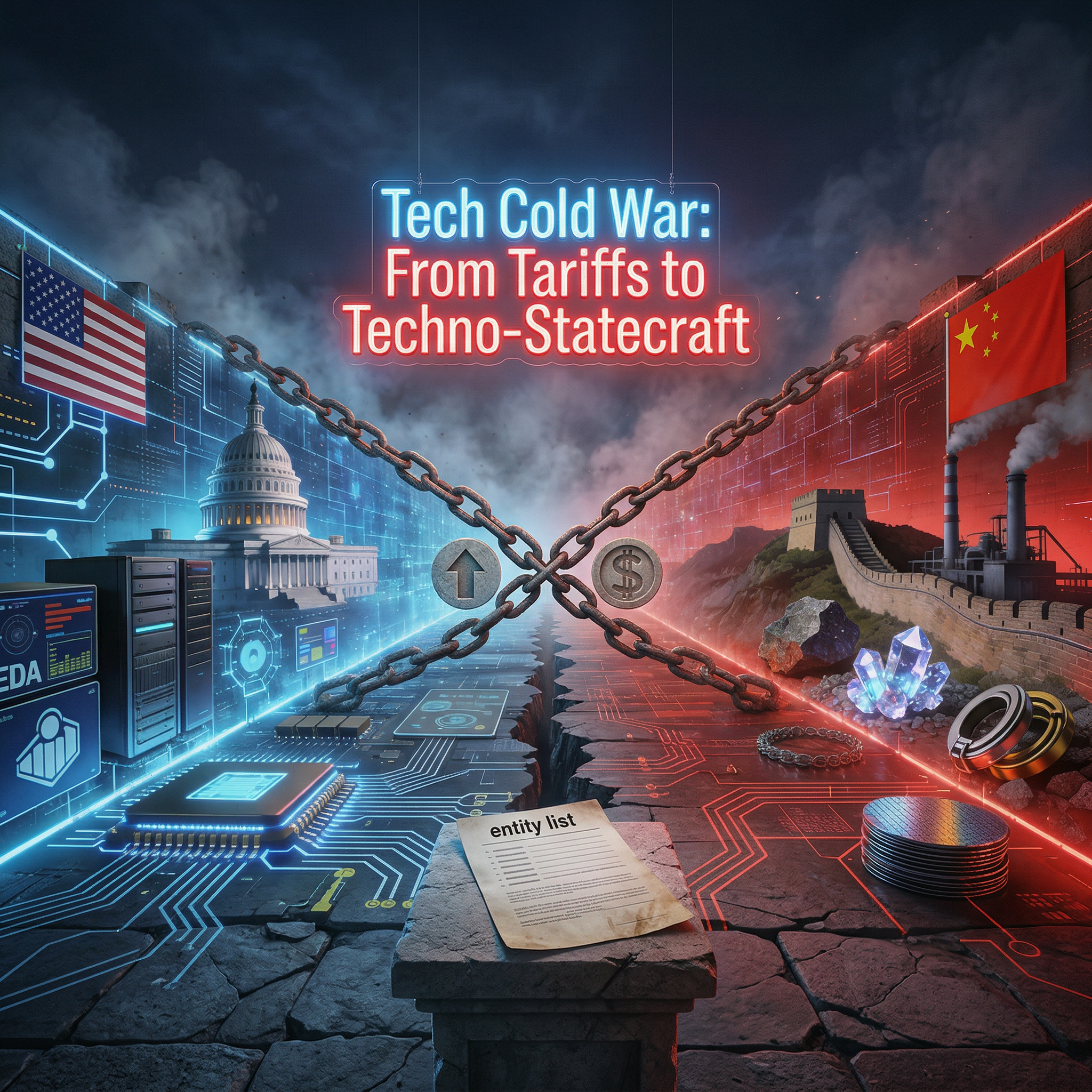
The last decade shows a shift from open trade rivalry to reciprocal techno-statecraft: Washington focuses on chips, tools, AI, and advanced computing, while Beijing leans on critical minerals, rare earths, and targeted retaliation. For companies, the implication is clear: revenue tied to either market is no longer simply commercial; in many cases it is politically exposed revenue.

An increasing share of technology industry revenue is now best understood as politically exposed revenue (PER), income whose continuity depends on policy decisions made by governments. This is not a challenge confined to any single country or bloc. It reflects a broader structural shift in which advanced technologies have become instruments of state power, exposing firms globally to targeted political risk.

For much of the past several decades, technology leaders treated geopolitics as a secondary concern, something relevant to regulators and diplomats but largely detached from product strategy and revenue planning.

Bottom Line China is no longer a forecastable or defensible growth market for Nvidia. Market share has collapsed, regulators are actively steering demand to domestic alternatives, and Nvidia itself has

Powering Agentic AI Data Centers with a Global Ecosystem Is Arm’s new AGI CPU about to become the ultra‑efficient brain of tomorrow’s AI data centers? Arm’s “Arm Everywhere” event unveils
GeoTechNexus
A focused newsletter for decision-makers tracking supply-chain exposure, geopolitical shifts, and technology-risk developments.
GeoTechNexus