Bottom Line
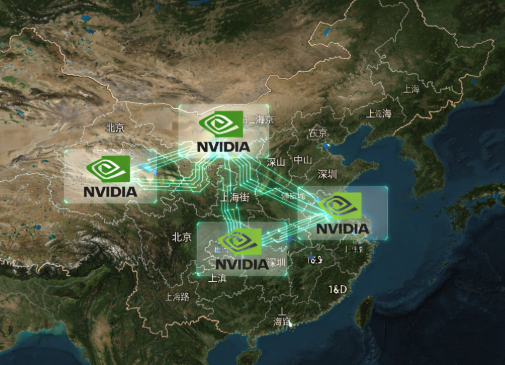
China is no longer a forecastable or defensible growth market for Nvidia. Market share has collapsed, regulators are actively steering demand to domestic alternatives, and Nvidia itself has removed China from baseline financial planning. Continued investment in China‑specific compliance products increases risk while accelerating substitution.
Key Facts
- Nvidia’s share of China’s advanced AI accelerator market has fallen from as high as 95% to effectively zero.
- China and Hong Kong, once 20–25% of data‑center revenue, have seen sharp declines despite record global growth.
- Nvidia now excludes China from revenue and profit forecasts; any future sales are treated as opportunistic.
- Chinese authorities are delaying or blocking approved shipments and directing customers toward domestic chips.
Conclusion: Substitution and disengagement are already underway.
Strategic Assessment
- China is no longer a normal market. AI accelerators are now securitized assets governed by geopolitics, not commercial logic.
- Revenue reliability is bloc‑dependent. Sales in strategic rival markets carry materially higher political risk and should be discounted.
- Neutral supplier positioning has ended. Nvidia is now perceived as aligned with U.S. and allied AI infrastructure.
Why the Current China Strategy Fails
Maintaining a presence through export‑compliant SKUs creates structural downsides:
- Engineering misallocation
Repeated redesigns consume scarce talent without advancing Nvidia’s competitive frontier. - Regulatory ratchet effect
Each workaround reinforces the case for tighter controls and retroactive restrictions. - Accelerated domestic substitution
Nvidia’s presence provides time and cover for Chinese firms to build “good‑enough” alternatives.
Net effect: Nvidia becomes a bridge to its own replacement.
What Nvidia Should Do Now
- End top‑end China‑specific SKUs
Stop designing flagship variants primarily to navigate export controls. - Treat China as capped, opportunistic revenue
Exclude China from baseline forecasts, cap exposure, and limit engagement to controlled channels. - Reallocate resources to aligned markets
Redirect engineering and capacity toward the U.S., Europe, Japan, Korea, Taiwan, India, and adjacent products with aligned policy and demand.
Broader Implications for Technology Leaders
Boards should ask:
- Are our core products now treated as strategic assets?
- Is meaningful revenue exposed to a geopolitical rival?
- Are market‑specific variants building durable value—or merely delaying substitution?
Final Takeaway
For Nvidia, China’s exit as a core business is already reflected in internal planning. The strategic question is no longer whether to adjust, but how decisively. The same question now applies to other technology firms operating at the intersection of advanced capability and geopolitics.
Bolaji Ojo is principal analyst and founder of GeoTechNexus. Contact him at bojo@geotechnexus.com.