
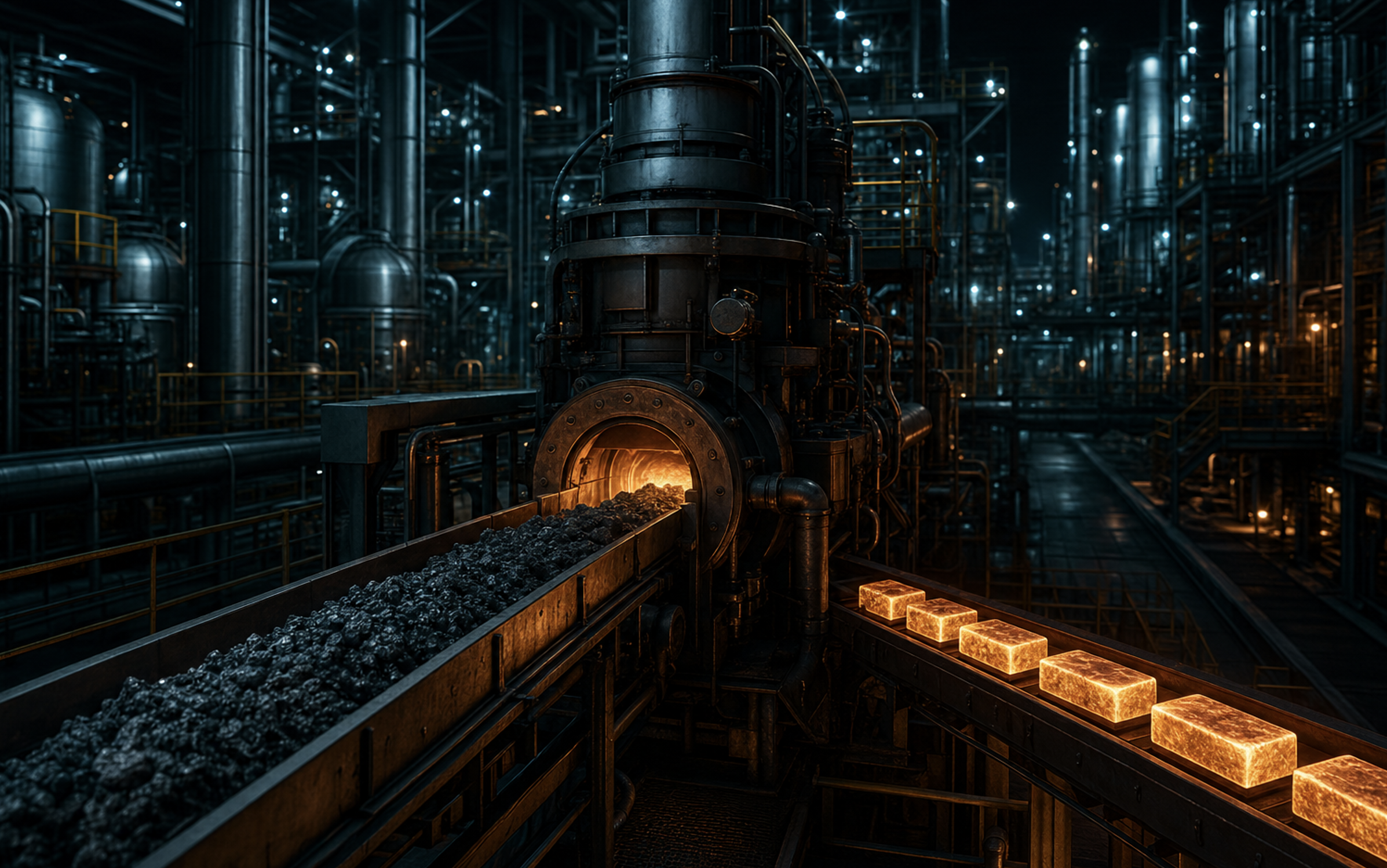
Beyond the Mine: The Refining Chokepoint Everyone Underestimates
Everyone worries about who mines critical minerals. The real single point of failure is who refines them — and China controls around 90% of rare earth processing and 98% of refined gallium. Steve Carr argues the midstream, not the mine, is where the chokehold truly bites. When our “China’s Chokehold” report mapped the concentration of critical materials earlier this year, the data point that drew the most attention from readers was the mining figure — the share of rare earths and strategic metals pulled out of Chinese ground. It is an arresting number, and it is also, I have come to believe, the wrong

Reading Washington’s Tells: The Dual-Track Subsidy-and-Sanctions Playbook
In poker, a “tell” is the involuntary signal a player gives off about the strength of their hand. The trick is not to listen to what they say, but to watch what they do — and, crucially, what they decline to do. Washington’s technology policy in mid-2026 is a masterclass in tells, and most commentators are reading the wrong ones. They focus on the loud announcements: the tariffs, the export-control expansions, the reshoring billions. The more revealing signal is quieter, and it is a non-action. The United States has approved a blacklist of more than 100 Chinese firms — and then deliberately chosen not

The Inventory Paradox: How Much Buffer Is Too Much in a Fractured Economy?
Lean inventory is dead, but stockpiling everything is capital suicide. Steve Carr sets out a risk-based framework for right-sizing buffer stock in 2026 — segmenting by criticality, lead time and geopolitical exposure when MOSFETs run past 52 weeks and carrying costs hit 18–30% a year. For two decades the answer was simple. Hold as little as you possibly could, let the supplier carry the risk, and measure success by how lean you ran. Just-in-time was not merely a tactic; it was a religion, and its prophets were rewarded with crisp balance sheets and admiring case studies. Then lead times on power semiconductors jumped from

Strait Math: Pricing the TSMC Dependency Into Your Risk Model
There is a calculation most boards quietly avoid. Not because the numbers are hard to find, but because the answer is uncomfortable. If you build, sell, or depend on anything with an advanced logic chip inside it — and in 2026 that is very nearly everything — then a meaningful

The $47 Billion Gigawatt: What Vera Rubin’s Price Tag Tells Us About the AI Build-Out
Every so often a single number reframes an entire industry. This month it arrived courtesy of Foxconn chairman Young Liu, who told a business association in Taiwan that building a one-gigawatt AI data centre around NVIDIA’s next-generation Vera Rubin platform would require capital expenditure of as much as $47 billion
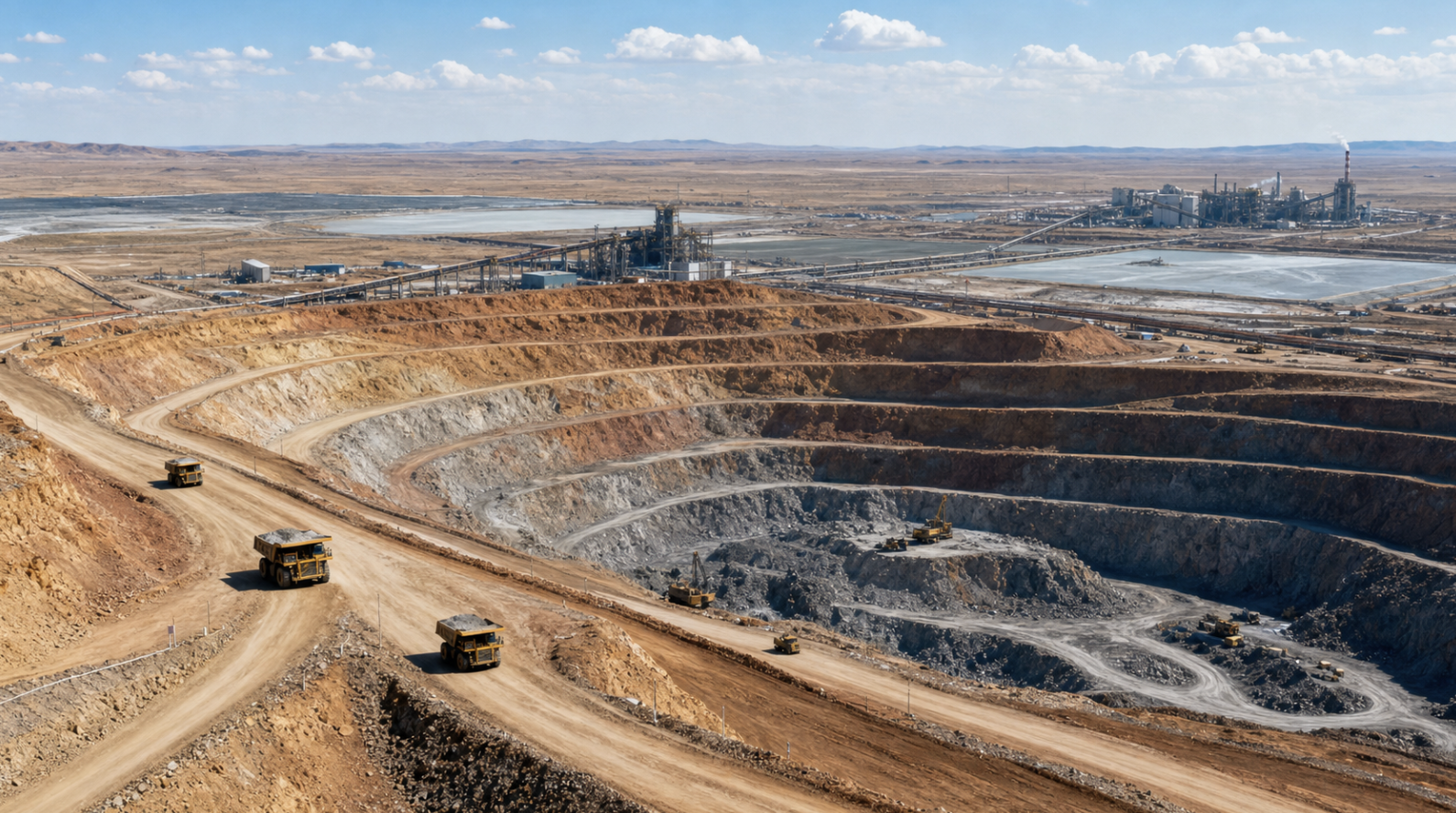
China’s Rare Earth Stranglehold: How Beijing Is Weaponising the World’s Most Critical Minerals
The global technology sector faces an uncomfortable reality: the components that power everything from smartphones and semiconductors to fighter jets and electric vehicles are overwhelmingly controlled by one nation. China’s grip on rare earth minerals — long considered a latent geopolitical risk — has become an active and increasingly codified
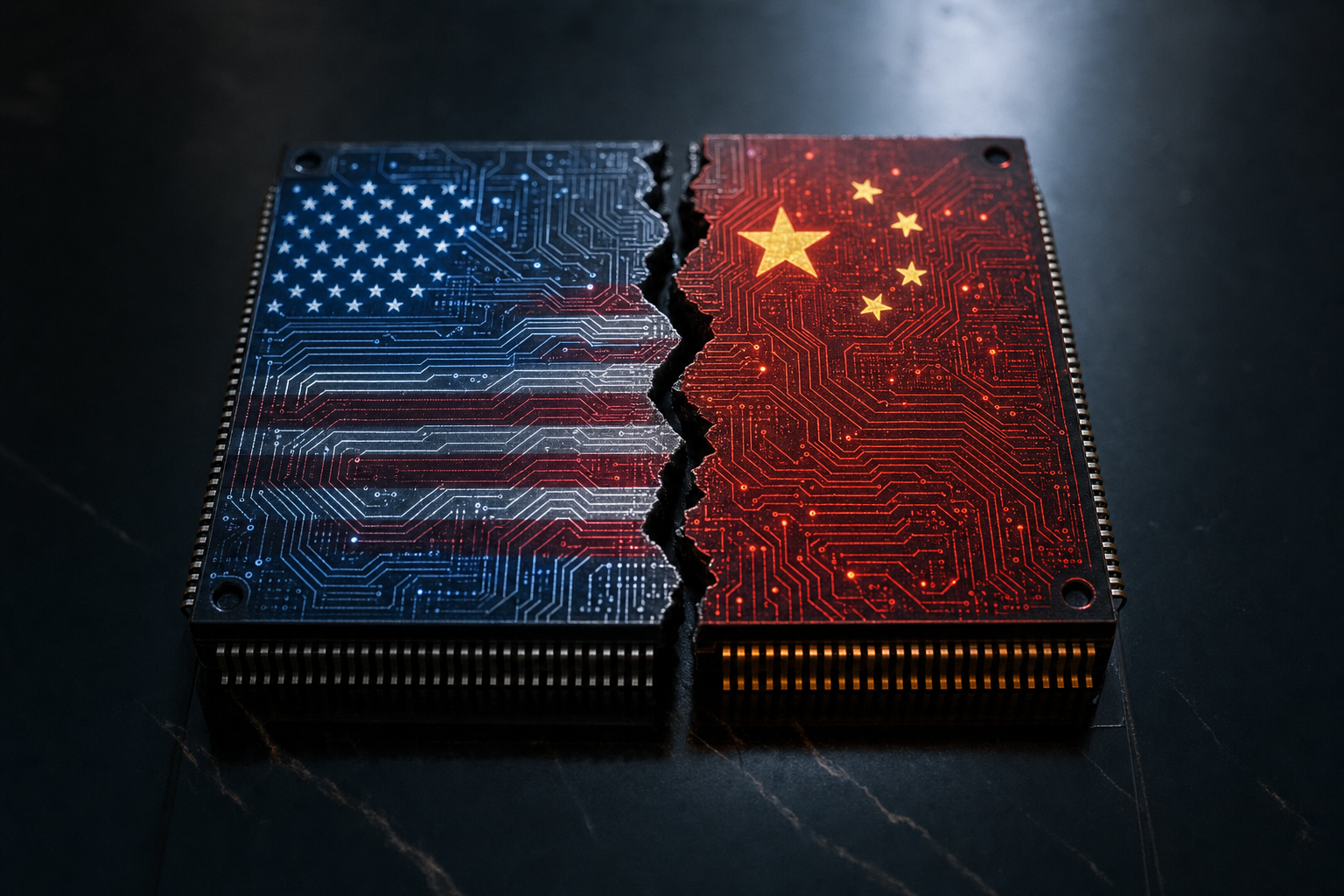
The Tech Iron Curtain: How the US and China Are Splitting the Digital World in Two
The global technology industry once operated on a simple assumption: the best product wins. Whoever built the fastest chip, the most capable AI model, or the most reliable network infrastructure would dominate the market — regardless of where they were based. That assumption is now dead. Over the past several